
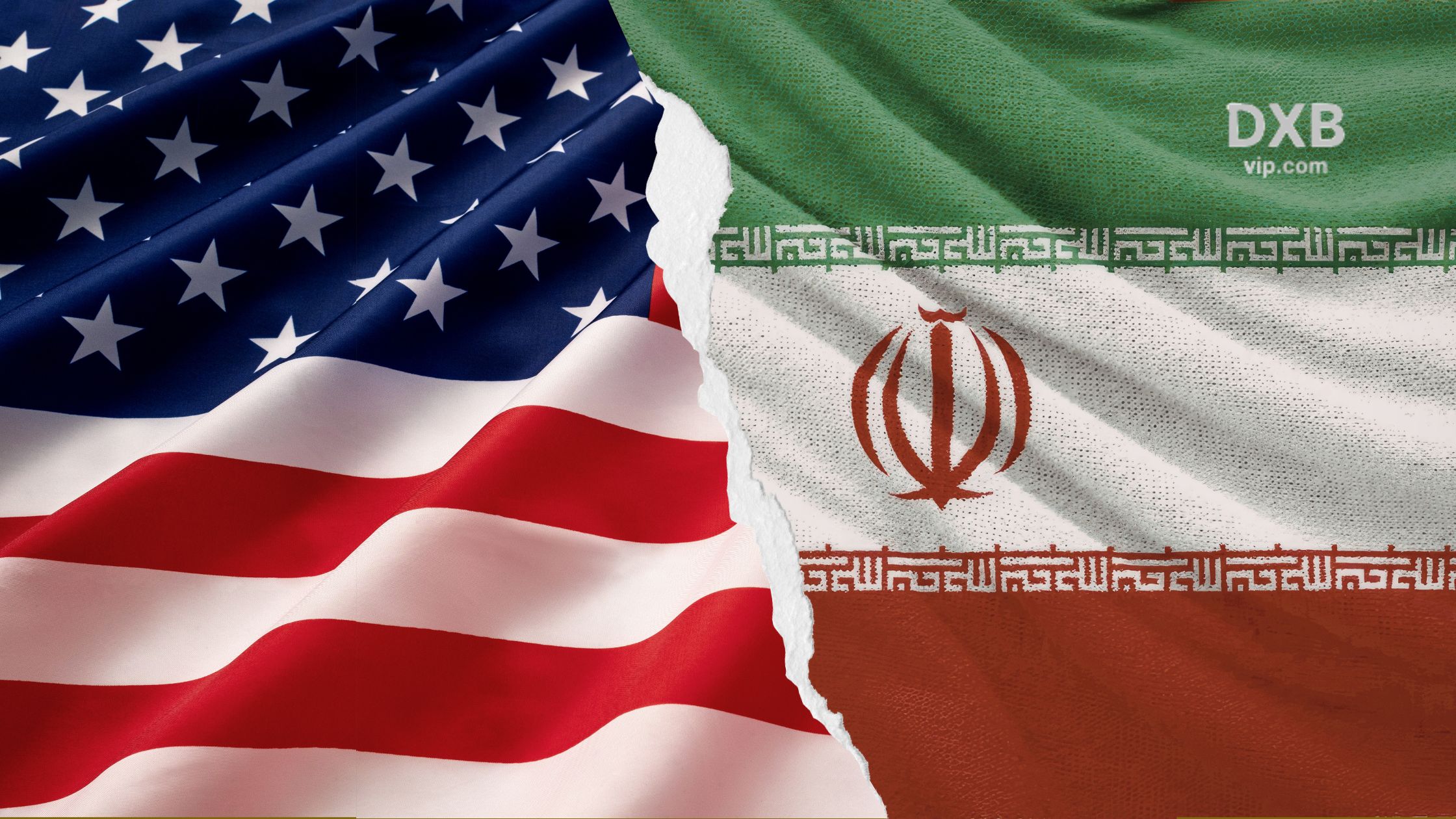
US-Iran ceasefire deal gives Trump a way out of war for 2-weeks
Both the USA and Iran have signed a very important diplomatic deal. They have agreed upon a ceasefire of two weeks (till April 8th, 2026), in order to prevent further escalation of war between themselves. The ceasefire will pave the way for peace talks, led by Pakistan, according to the Tehran 10-point plan. Tehran’s
Both the USA and Iran have signed a very important diplomatic deal. They have agreed upon a ceasefire of two weeks (till April 8th, 2026), in order to prevent further escalation of war between themselves. The ceasefire will pave the way for peace talks, led by Pakistan, according to the Tehran 10-point plan.

Tehran’s 10 Point Proposal
These are the main pillars of the peace proposal submitted by the Supreme National Security Council of Iran as a workable basis for the future talks in Islamabad:
- Permanent Cessation of Hostilities: Full and indefinite stop of any military operations against Iran;
- Regional De-Escalation: Immediate end of any conflict in Iraq, Lebanon, and Yemen;
- No Attacks on Iranian Allies: A demand to the Israeli government to stop any attacks on Hezbollah and other Iranian allied organizations;
- Security Guarantees: Iran’s promise not to be attacked unprovoked in the future with binding guarantees.
- Total Sanctions Lifting: Commitment from the US to completely eliminate economic sanctions;
- Funds Unfreezing: All assets frozen in the United States must be immediately released.
- Reopening Strait of Hormuz: Agreement to restore the traffic through the waterway, but under the supervision of Iran’s military forces;
- Transit Fees for Reconstruction: A proposed $2 million fee per ship transiting the Strait, to be shared with Oman and used for war reconstruction.
- Nuclear Commitment: A renewed pledge that Iran will not seek or possess nuclear weapons.
- Safe Passage Protocols: Establishing new international maritime protocols for secure navigation in the Persian Gulf.
News Analysis: The Best Outcome Scenarios
While the ceasefire is “double-sided” and fragile, experts point to three potential “best outcomes” for the region:
- The “Islamabad Accord”: If the Friday talks in Pakistan succeed, the two-week truce could be extended into a 45-day framework, allowing for a phased lifting of sanctions in exchange for verified maritime security.
- Global Energy Stabilization: The immediate reopening of the Strait of Hormuz—the world’s most vital oil chokepoint—is expected to lower global fuel prices and stabilize international markets.
- Humanitarian Relief: A cessation of strikes on Iranian infrastructure (which President Trump had threatened to target) prevents a large-scale humanitarian crisis and allows for the return of displaced citizens in Lebanon and Iraq.
The Islamabad Summit: Friday’s High-Stakes Showdown
The eyes of the world turn to Pakistan this Friday, April 10, 2026. Prime Minister Shehbaz Sharif will host high-level delegations in Islamabad for the first face-to-face negotiations since the conflict began.
- The Power Players: The U.S. delegation will be led by Vice President JD Vance, while Iran is sending Mohammad Bagher Ghalibaf, the Speaker of Parliament and a key figure in Tehran’s wartime leadership.
- The Mission: This summit isn’t just a formality; it’s a 15-day sprint to finalize the details of Tehran’s 10-point plan.
- The Atmosphere: Despite the ceasefire, officials describe the mood as one of “complete distrust.” This Friday is the ultimate “stress test” for the truce—if the two sides can agree on maritime protocols and sanctions relief in Islamabad, the two-week pause could be extended indefinitely.